The Weather
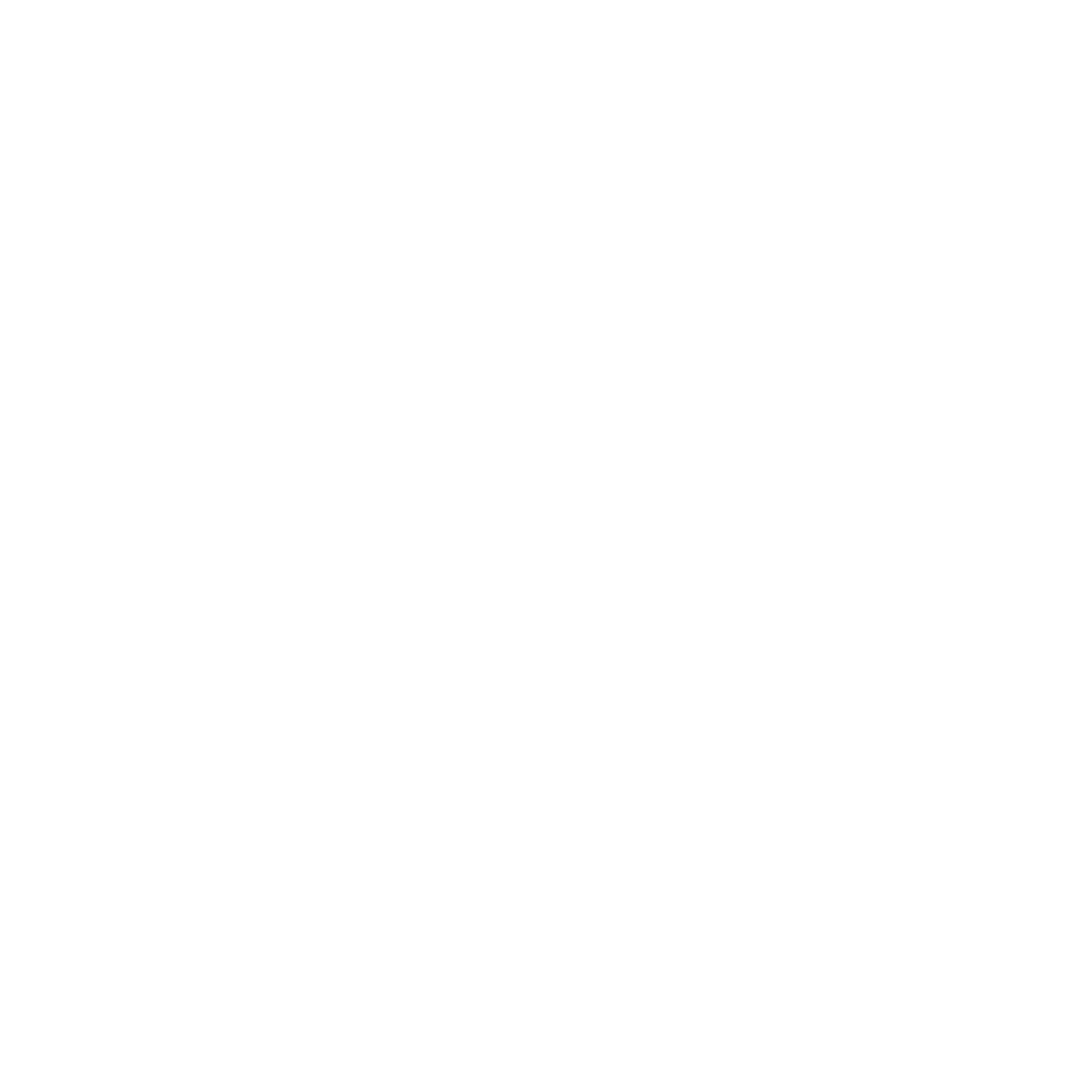
The CDC-based wastewater map was updated on October 1 and depicts wastewater levels for the period from September 20 through September 26.
According to the CDC’s COVID Wastewater Viral Activity map, Hawaii and Texas are experiencing “Very High” levels. Connecticut, Massachusetts, and Washington are experiencing “High ” levels. Five states are experiencing “Moderate” levels. Twelve states are experiencing “Low” levels, and 26 states are experiencing “Very Low” levels.
Arkansas, Arizona, Mississippi, South Dakota, Maryland, New Hampshire, and Montana are reporting “Limited Coverage,” meaning that the data is based on less than 5% of the population and may not be accurate for the entire state. Oklahoma, North Dakota, Washington, D.C., Guam, and the US Virgin Islands are reporting “Limited/No Data.”
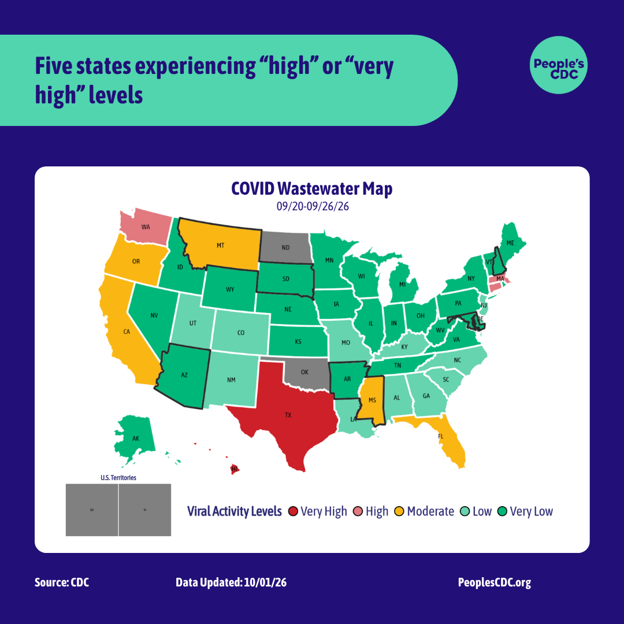
Regional trend data from the CDC indicate decreases in every region. The South and the West are in the “low” category, and the other regions are in the “very low” category.
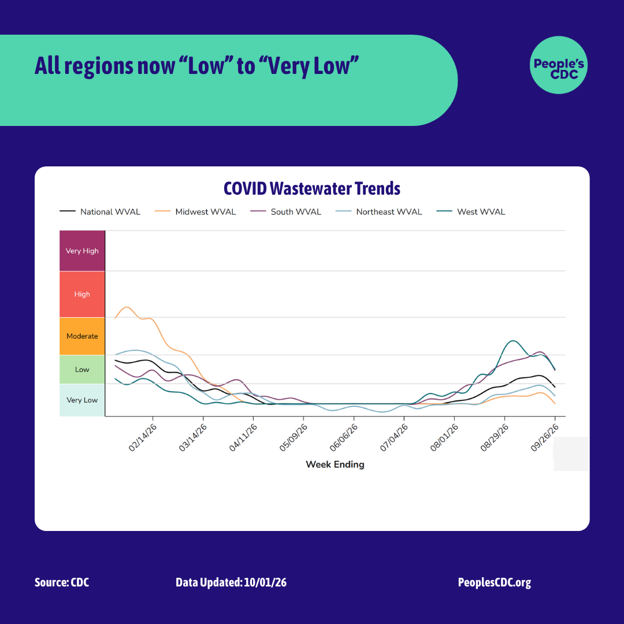
As a reminder, these categories should not be thought of as corresponding to any person’s risk of catching COVID. Remember other scientists can look at similar data and, using different systems, come to alternate conclusions. At Wastewater SCAN, for example, the team has determined all regions to be in the “high” category.
 Graphic source: Wastewater SCAN
When you’re thinking about wastewater near you, the best thing you can do is find the wastewater station nearest you that reports levels, and look at levels over time. For example, for someone living in St. Clair Shores, MI, putting your zip code into Wastewater SCAN’s dashboard shows that the nearest wastewater treatment plant is in Warren, MI. If we look at the levels over the last year from the Warren plant, we see that they are not nearly as low as they were through most of the spring and summer, but lower than they were last year at this time and not nearly as high as they were last winter.
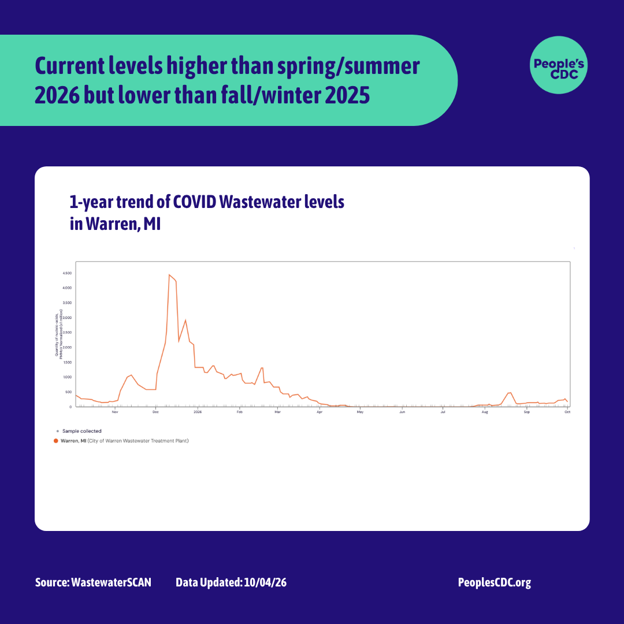 Graphic source: Wastewater SCAN
The better we do, collectively, at stopping the spread now, the less likely we are to have a big winter surge. And the best way to do that, as we always say, is through layers of protection.
Please check out our Safer Gatherings Guide, which you can use for class, work, back-to-school nights, and any other gathering you may attend.
The case for wearing masks forever
A couple of weeks ago, a major mainstream newspaper ran a sensationalized story on a masks-required lesbian bar in Western MA that made Saturdays mask-optional. In rural Greenfield, the bar was a beloved destination spot that had announced various financial challenges and received donations from its extensive supportive community. Various organizing efforts sprang up to pressure the bar to remain accessible and to offer community problem-solving for its financial troubles. When the Boston Globe, and later Fox News, picked up the story, a journalist published an unsubstantiated claim that it was the Globe’s biggest hit in years and had generated many subscriptions.
A few things stand out to us here. We have noticed that anti-public health puff pieces often appear in the mainstream media around the start of a new respiratory viral wave, an increase in media stories about COVID or measles outbreaks, or the start of the school year. These periods are also times that we witness more people taking up equity-oriented public health measures. (Certainly the number of people wearing masks on the train in New York goes up every Fall).
The mainstream media, billionaire-owned corporations, and political machinery wouldn’t have to keep on attacking pro-social behavior–like trying not to get each other sick–if they weren’t threatened by the thought that such measures might become commonplace. They understand that masking works hand-in-hand with people questioning the back-to-office profit-driven status quo and demanding returns to federal government-financed paid sick leave, for example.
Sometimes media hit pieces on public health measures can be very effective at making people feel disheartened, alone, hopeless, or compelled to give up. It can be tough to see a publication you once respected attack community-oriented practices (we know, we’ve been subject to one ourselves 😉 ).
But there’s another path that we’re glad to witness many taking: organizing. Widespread attention to masking and accessibility in the mainstream media, even if negative, is also an opportunity to renew public conversations about the commonsense reasons people might try to protect each other and themselves in the first place. Nobody likes to be sick all the time. We encourage folks to lean into conversations about the ways the US public health infrastructure is being actively dismantled – including corporate media’s active role in often downplaying the growing crisis.
Public health is in everyone’s best interest. Turn the focus away from the “bad behavior” of advocates and towards the ways that we can make real changes in awareness and layers of protection, starting in our local communities, and turn the conversation around, and with it, our futures.
MAHA Updates:
The Senate HELP committee voted to advance the nomination of Radiologist and FOX News pundit Nicole Saphier to a floor vote for Surgeon General. Dr. Saphier claims to be vaccine-supportive, but has also failed to say publicly that the vaccine-related policies and positions advanced by the Trump administration are wrong. Given that the Surgeon General’s role is largely public messaging and communication, she’s already failing.
Measles:
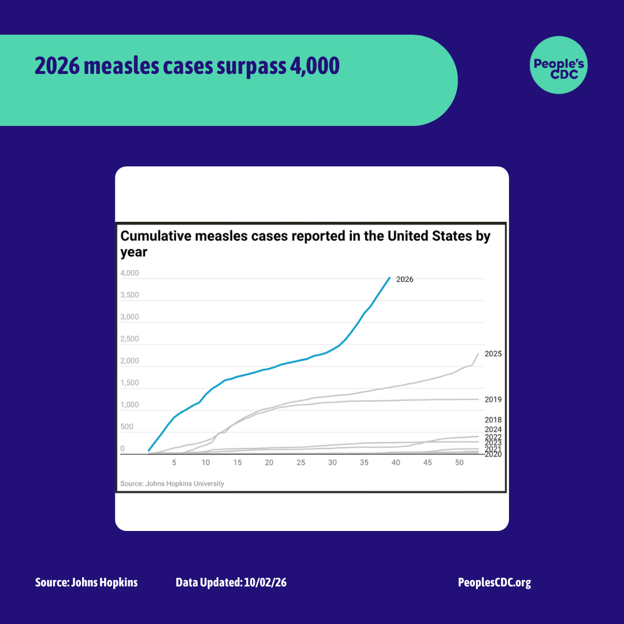
The importance of being crystal clear about the safety and efficacy of Measles vaccines has never been more important. As a result of misinformation and disinformation campaigns and the consequential decreased uptake of vaccines, measles rates continue to climb. These past few weeks have seen a huge outbreak in Pennsylvania, where, unfortunately, a fifth person has died. With numbers like what we’re seeing, we expect deaths to continue to increase. Of every 1000 kids who get measles, 1 to 3 will die. Measles is spread through direct contact with infectious droplets or through infectious aerosols. We can do our part to prevent spread by getting vaccinated, washing our hands, and… you guessed it! Masking!
Take Action!
The next time someone brings up the Boston-area lesbian bar, pivot the conversation toward organizing. Ask them if they want to have a few meetings with administrators at the school to talk about improving air quality. See if they want to join a call to speak with your union representatives about pushing for reinstating additional paid sick days for folks with COVID and a testing-based approach to returning to work. And you don’t have to wait for them to bring it up. Coordinate a masked karaoke event for your tenants association. Write to us about what you’re working on, so we can celebrate you in our next “wins” section!